Source Multistage Centrifugal Deep Well Pump for Irrigation, Industrial, and Mining
Explore 30 verified multistage centrifugal deep well pump options for irrigation, industrial processing, and mining applications. Compare vertical and horizontal models with heads up to 510m and capacities exceeding 400 L/min to find the right fit for your high-pressure needs.
Key considerations
Products List




Comprehensive Sourcing Guide
Multistage Centrifugal Deep Well Pump Sourcing Guide
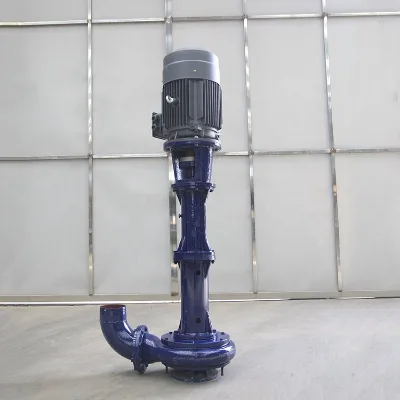
Procuring multistage centrifugal deep well pumps requires a precise understanding of vertical shaft dynamics and high-pressure staging. These pumps are engineered to lift water from significant depths, often exceeding 150 meters, making them essential for deep aquifer extraction and industrial water supply systems. The vertical configuration allows the motor to be positioned above ground while the pump stages operate submerged, protecting the drive mechanism from environmental exposure. Buyers must evaluate the interplay between head requirements and flow rates, as increasing depth typically reduces volumetric capacity. Understanding these hydraulic constraints is the first step in selecting a unit that matches the specific well geometry and demand profile of the installation site.
The market offers a variety of configurations, including single-suction and double-suction impeller designs, each suited to different operational stability needs. Single-suction models are common in standard deep well applications, while double-suction variants may be preferred for higher flow stability and reduced axial thrust. The choice between cast iron and stainless steel materials depends heavily on water chemistry, particularly regarding corrosion resistance and salinity levels. Buyers should verify the specific alloy grades used in the impeller and casing to ensure longevity in aggressive environments. This material selection directly impacts maintenance intervals and total cost of ownership, making it a critical initial decision point in the sourcing process.
Product Scope and Observed Listing Signals
Current market listings indicate a broad price range from 40 to 50,000 USD, reflecting the diversity in pump size, motor power, and material quality. Minimum order quantities typically range from one to ten units, suggesting that suppliers accommodate both single-unit project purchases and small-scale commercial deployments. The observed capacity spans from 2 to 500 cubic meters per hour, with some models exceeding 400 L/min, catering to both small domestic wells and large industrial operations. Buyers should note that these figures represent observed listing signals rather than universal guarantees, and specific model performance must be verified against individual datasheets. This wide variance underscores the importance of matching exact technical requirements rather than relying on general category descriptions.
Motor power ratings observed in listings range from 3 to 90 kW, with some high-performance units reaching up to 220 kW. Head capabilities vary significantly, with some models designed for heads between 19 and 510 meters, while others target specific ranges around 300 meters. Working pressure classifications include low, middle, and high-pressure options, indicating that buyers must align the pump’s pressure rating with the system’s discharge requirements. The presence of customization options suggests that suppliers can adapt standard designs to unique well diameters or fluid characteristics. Buyers should treat these observed ranges as a starting point for technical discussions, ensuring that the selected pump’s motor and head specifications precisely match the site’s hydraulic profile.
Technical Specifications to Verify
Verifying the pump shaft position and casing design is crucial for ensuring proper installation and maintenance access. Vertical pump configurations are standard for deep well applications, with the shaft extending directly into the borehole. Buyers must confirm whether the pump casing is a vertical joint surface type or a horizontal split design, as this affects disassembly procedures and seal replacement. The impeller type, whether closed or open, influences efficiency and resistance to clogging, with closed impellers generally offering higher efficiency in clean water applications. Additionally, the number of stages, indicated by multistage or single-stage classifications, determines the pressure build-up capability. These mechanical attributes must be cross-referenced with the well’s depth and diameter to ensure physical compatibility and hydraulic efficiency.
Motor specifications and temperature ratings are critical for long-term reliability, especially in high-temperature or variable load environments. Buyers should verify the motor power range, which can span from 0.55 to 220 kW, to ensure adequate torque for the intended head and flow. Operating temperature limits, such as ranges from -80 to +450°C for specialized units or standard limits below 120°C, must align with the fluid temperature. The mounting height and suction type, whether centrifugal or irrigation-specific, also impact the pump’s net positive suction head requirements. Buyers must ensure that the selected model’s temperature and pressure ratings, such as approximately 5.0 MPa, exceed the maximum operating conditions of the well to prevent premature failure.
Compliance and Safety Documentation
Ensuring that pumps meet relevant international and regional standards is essential for legal compliance and operational safety. Certifications such as CE mark the product as conforming to European health, safety, and environmental protection standards, which is often a prerequisite for export to many markets. Buyers should request valid certification documents to verify that the manufacturer has undergone rigorous testing and quality audits. Additionally, standards like API610 and VDMA24297 provide guidelines for centrifugal pumps in the petroleum, chemical, and gas industries, offering a benchmark for mechanical integrity and performance. While ISO9001 certification indicates a robust quality management system, it does not guarantee product-specific compliance, so buyers must distinguish between organizational and product certifications.
Documentation should also include detailed technical manuals, installation guides, and maintenance schedules to support long-term operation. Buyers must verify that the pump’s design adheres to relevant pressure vessel regulations if operating at high pressures. Safety data sheets for any lubricants or seals used in the pump assembly should be available to ensure proper handling and disposal. Compliance with local electrical standards for the motor is equally important, particularly regarding voltage, frequency, and protection ratings. Buyers should insist on comprehensive documentation that covers all aspects of the pump’s lifecycle, from installation to decommissioning, to mitigate legal and operational risks.
Cost Drivers and Commercial Terms
The total cost of ownership is influenced by several factors, including material selection, motor efficiency, and customization requirements. Stainless steel components, while more expensive upfront, offer superior corrosion resistance, reducing long-term maintenance costs in corrosive environments. Customization options, such as specific impeller designs or casing materials, can increase the initial price but may improve efficiency and lifespan. Buyers should evaluate the trade-off between initial capital expenditure and operational savings, considering energy consumption and maintenance frequency. The observed MOQ of 1-10 units suggests that bulk discounts may be available for larger orders, but buyers should negotiate based on total value rather than just unit price.
Commercial terms such as payment methods, shipping arrangements, and warranty periods significantly impact the procurement process. Buyers should clarify whether the price includes packaging, such as plywood cases or cartons, which is crucial for protecting the pump during transit. Lead times can vary based on customization and production capacity, so buyers must align delivery schedules with project timelines. Warranty coverage should be explicitly defined, including parts, labor, and response times for technical support. Buyers should also consider the cost of spare parts and their availability, as downtime can be costly in critical water supply applications. Negotiating favorable commercial terms can reduce overall risk and improve the value of the procurement.
Supplier Qualification and Quality Control
Selecting a qualified supplier is critical to ensuring the reliability and performance of the multistage centrifugal deep well pump. Buyers should verify the supplier’s manufacturing capabilities, including their experience with vertical pump designs and high-pressure staging. Quality control processes, such as factory acceptance testing and hydrostatic pressure testing, should be documented and reviewed. Suppliers with a history of exporting to diverse markets may have more robust quality assurance systems. Buyers should request references or case studies to assess the supplier’s track record in delivering pumps for similar applications. Due diligence on the supplier’s financial stability and production capacity can also mitigate the risk of supply chain disruptions.
Inspection and verification procedures should be established before shipment to ensure that the pump meets all specified requirements. Buyers may consider third-party inspection services to verify dimensions, material grades, and performance tests. Clear communication of technical specifications and acceptance criteria is essential to avoid misunderstandings. Buyers should also assess the supplier’s after-sales support capabilities, including technical assistance and spare parts availability. A supplier’s willingness to collaborate on troubleshooting and optimization indicates a commitment to long-term customer success. Establishing a strong relationship with a qualified supplier can lead to better pricing, priority service, and continuous improvement in pump performance.
Long-Term Procurement Checks
Regular monitoring of pump performance and maintenance records is essential for identifying potential issues early. Buyers should track key performance indicators, such as flow rate, head pressure, and energy consumption, to detect deviations from expected values. Preventive maintenance schedules should be strictly followed to replace worn components, such as impellers and seals, before they cause failure. Buyers should also monitor the condition of the motor and electrical connections to prevent overheating or electrical faults. Keeping detailed records of maintenance activities and part replacements can help in predicting future needs and optimizing inventory levels. Proactive maintenance can significantly extend the lifespan of the pump and reduce unexpected downtime.
Continuous evaluation of supplier performance and product reliability is crucial for long-term procurement success. Buyers should periodically review supplier quality, delivery times, and support responsiveness to ensure they meet evolving needs. Feedback from field operations should be shared with the supplier to drive product improvements and address recurring issues. Buyers should also stay informed about technological advancements in pump design and materials that could offer better efficiency or durability. Regular audits of the procurement process can identify areas for improvement, such as contract management or inventory optimization. By maintaining a strategic approach to procurement, buyers can ensure a reliable supply of high-quality multistage centrifugal deep well pumps for their operations.
FAQs
What is the maximum head for these multistage centrifugal deep well pumps?
The maximum head exceeds 150 meters, with specific models reaching up to 510 meters. This high-pressure capability supports deep well applications requiring significant vertical lift. Buyers should verify the exact head requirement against the specific model specifications to ensure adequate pressure for their well depth and system needs.
Can these pumps be customized for specific industrial requirements?
Yes, customization is available for these multistage centrifugal deep well pumps. Manufacturers offer options for materials like cast iron or stainless steel to suit different fluid types. Buyers can request specific motor powers ranging from 3 to 90 kW and adjust capacities to match their operational flow rates and pressure demands.
What materials are used for the pump body and impeller?
The pump body is typically made from cast iron or stainless steel, depending on the model and corrosion resistance needs. The impeller is closed and designed for single or double suction configurations. These material choices ensure durability and efficiency in high-pressure multistage applications, protecting against wear and chemical exposure.
What is the typical capacity range for these vertical pumps?
The capacity ranges from 2 to 500 cubic meters per hour, with some models exceeding 400 liters per minute. This wide range allows selection for various flow requirements. Buyers should match their specific flow needs to the model's rated capacity to ensure optimal performance and energy efficiency in their multistage pumping system.
Which standards do these pumps comply with for quality assurance?
These pumps comply with CE standards and specific industry norms like API610 or GB6245. Compliance ensures safety and performance reliability for international buyers. The vertical joint surface or horizontal split designs meet rigorous engineering criteria. Buyers should request certification documents to verify that the specific model meets their regional regulatory and operational standards.
How are these multistage pumps packaged for shipping?
Pumps are packaged in plywood cases, carton boxes, or polywood boxes to ensure safe transit. This robust packaging protects the vertical or horizontal units from damage during logistics. Buyers should confirm the packaging type with the supplier to ensure compatibility with their receiving facilities and to minimize the risk of damage upon delivery.